Key Features and Uses
Material and Construction
These instruments are typically manufactured from tungsten carbide and coated with high-quality diamond particles bonded securely to the surface. This construction makes them extremely sharp, durable, and wear-resistant, allowing for consistent cutting performance over repeated use.
Primary Function
Their main clinical purpose is the efficient removal of carious (decayed) tooth structure and the shaping of enamel and dentin in preparation for restorative procedures such as fillings, inlays, onlays, and crowns.
Additional Clinical Applications
Beyond routine cavity preparation, they are also used for:
-
Cleaning and shaping root canals during endodontic treatment
-
Removal of old or temporary restorations, including fillings and crowns
-
Contouring and finishing restorative materials to achieve proper anatomy and smooth surfaces
Variety and Versatility
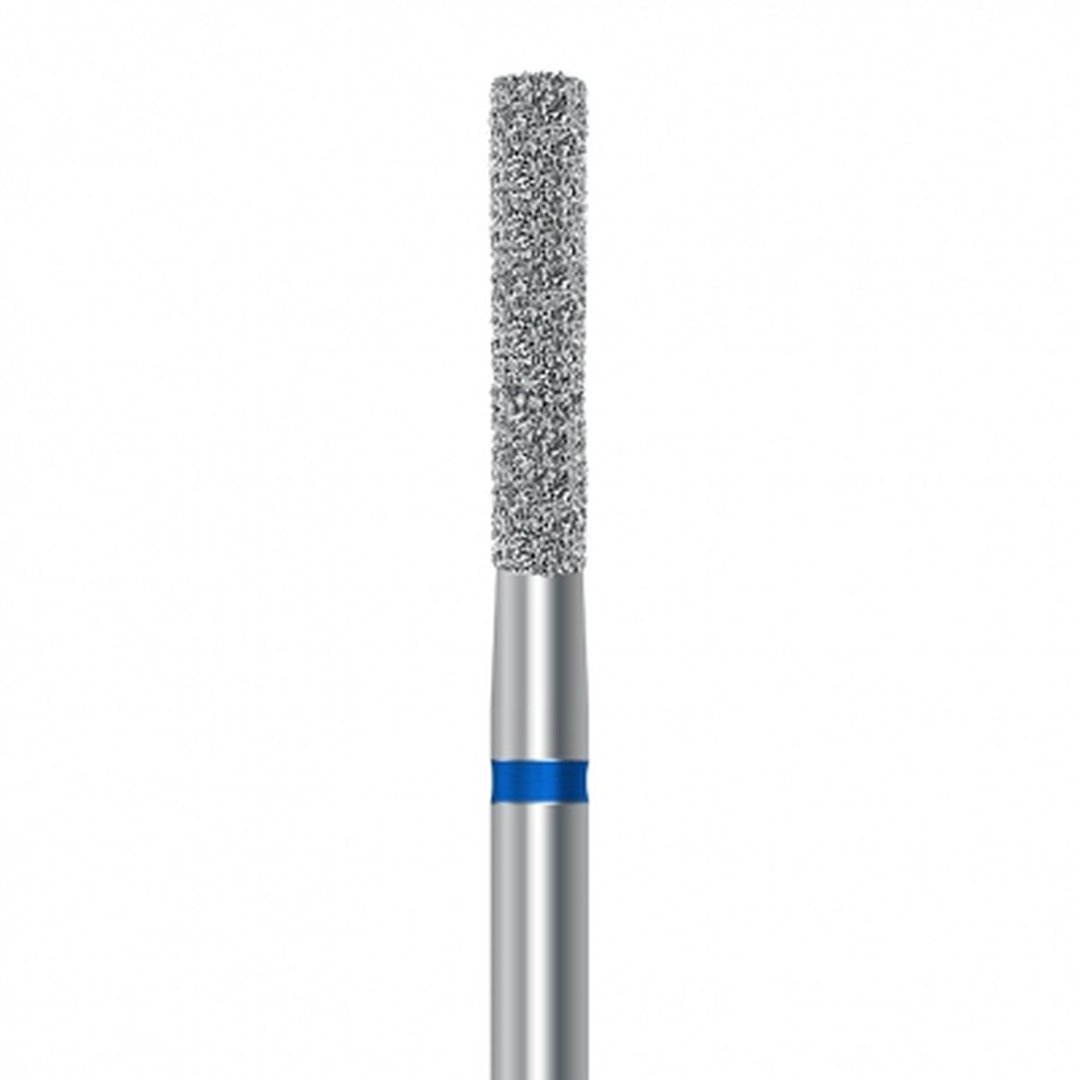
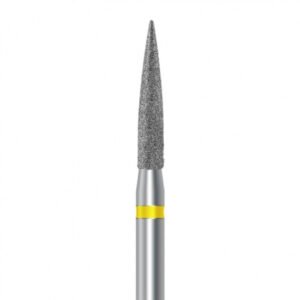
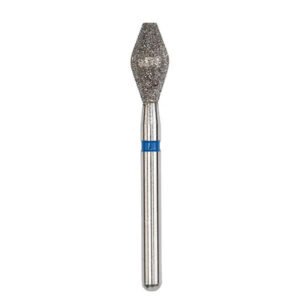
These instruments are available in a wide range of shapes and sizes, including round, inverted cone, straight fissure, tapered fissure, and pear-shaped designs. This extensive variety allows clinicians to select the ideal instrument for specific clinical tasks and anatomical requirements.


Reviews
There are no reviews yet.