Key Functions and Characteristics
Matrix Stabilization
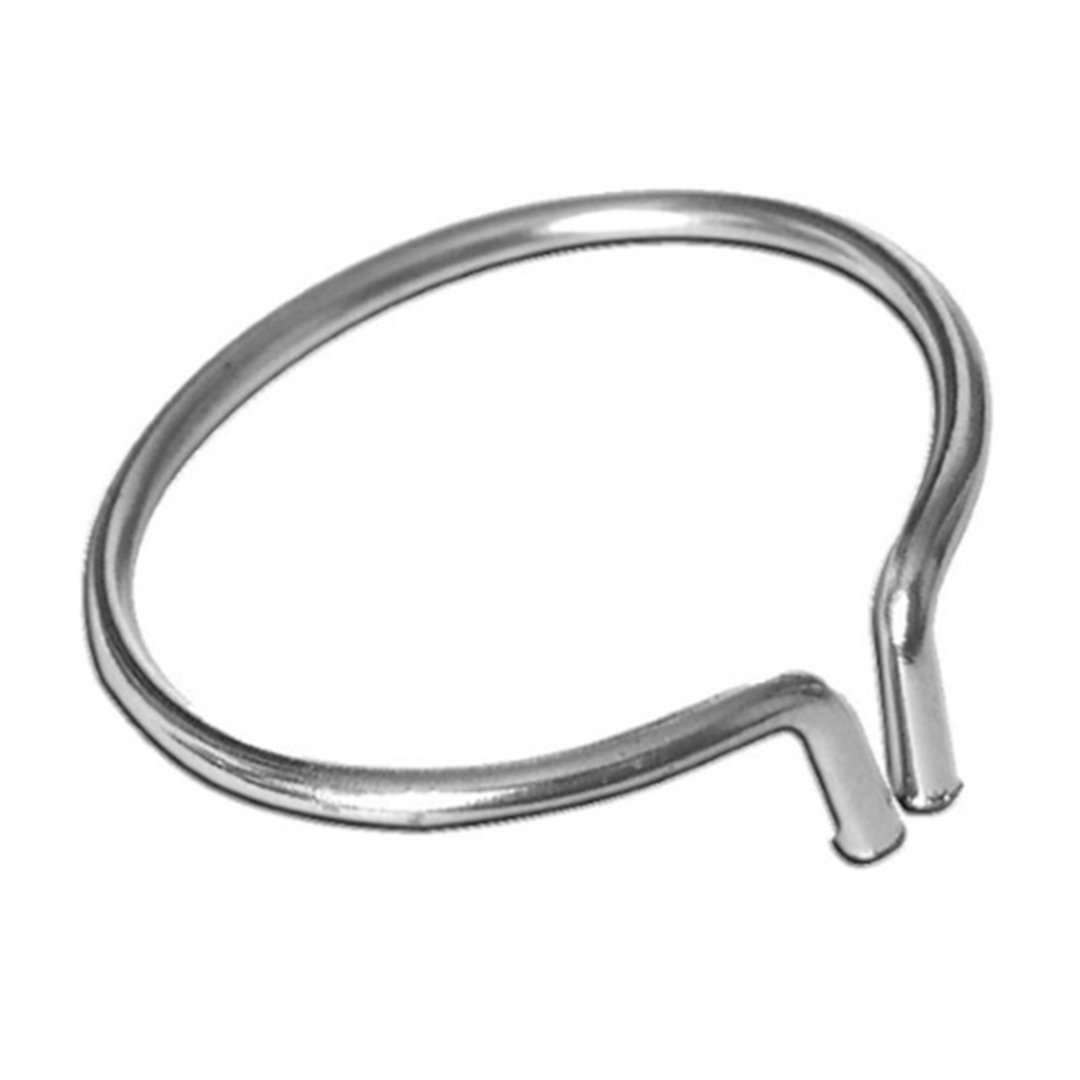
The primary function of the ring is to securely stabilize the contoured sectional matrix band against the proximal walls of the tooth. This ensures that the restorative material is properly contained during placement and accurately shaped to form correct proximal anatomy.
Tooth Separation
The spring tension of the ring applies a gentle yet consistent force to the adjacent teeth. This controlled pressure creates temporary tooth separation to compensate for the thickness of the matrix band. As a result, a tight, anatomical contact point is achieved once the matrix is removed.
Anatomical Contour Formation
By applying uniform pressure across the sectional matrix, the ring assists the matrix band in recreating the natural curvature and contour of the proximal tooth surface. This is essential for achieving proper emergence profile and contact integrity.
Construction and Design
Material
The ring is typically fabricated from high-quality elastic stainless steel or Nickel-Titanium (NiTi). These materials provide excellent shape memory and durability, allowing the ring to withstand repeated opening, sterilization cycles, and clinical use.
Design Specifications
The ring features two tines (jaws) that are positioned over both the sectional matrix and the separating wedge. The Standard Ring 1.099(5) variant, for example, denotes a standard tine height of approximately 5 mm, making it suitable for a wide range of premolar and molar restorations.



Reviews
There are no reviews yet.